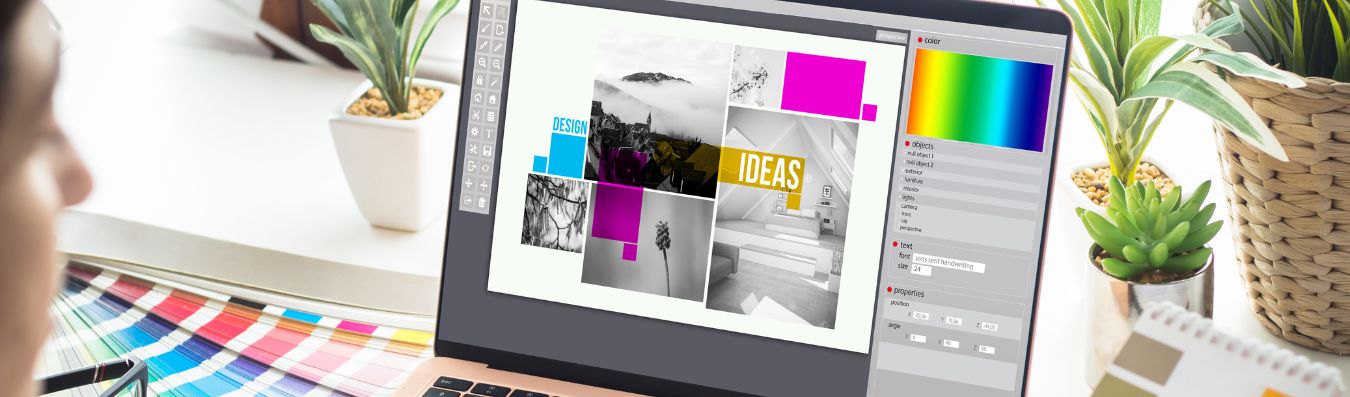
Every year shifts in visual culture influence how audiences perceive brands, events, and digital experiences. For an agency like LAI, where clarity, immersion, and high-impact communication are essential, these trends help inform the creative decisions that drive our event identities, scenic design, stage content, and digital presence.
Here’s a sneak peek at a few rising design trends for 2026 and how you can use to be on the cutting edge with your next event:
Colorful, Geometric Minimalism
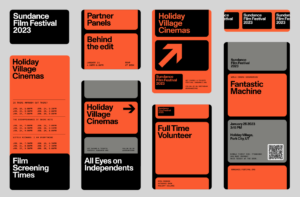
A bold evolution of classic minimalism, this trend uses only essential elements – expressive type, saturated color, sharp geometry, and intentional white space – to create clarity with impact. High-contrast palettes and grid-driven layouts make visuals feel modern, structured, and brand-forward.
Why we love it:
Attendees respond to visuals that communicate authority fast. This style cuts through clutter, aligns with innovation-focused groups, and adapts seamlessly across scenic and digital assets.
How we’ll use it:
A leadership summit could use oversized geometric scenic pieces to spotlight key messages with instant clarity.
Aurora Gradients
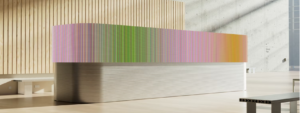
Today’s gradients go beyond simple blends, drawing inspiration from auroras, haze, and diffused light to create cinematic, atmospheric backdrops. Layered transitions, glow, and motion make them ideal for immersion-driven environments.
Why we love it:
Gradients scale effortlessly and set a cohesive mood across formats. They support storytelling, immersive scenic design, and interactive motion—perfect for events seeking emotional impact.
How we’ll use it:
An awards gala could open with slow-moving aurora gradients on LED walls to establish an elegant, futuristic tone.
Blueprint Illustrations
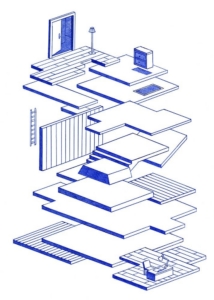
This trend borrows engineering-style diagrams—annotations, pseudo-technical shapes, monochrome palettes—to make complex ideas feel intuitive and intentional. Dense, detailed layouts become storytelling tools.
Why we love it:
Ideal for STEM, construction, or infrastructure audiences, blueprint design clarifies complexity and feels precise, transparent, and thoughtfully engineered.
How we’ll use it:
A product launch could showcase its innovation-driven journey as a playful schematic, giving attendees a clear, behind-the-scenes narrative.
Design trends don’t exist to be followed, they exist to be interpreted. As visual culture continues to evolve, the most successful events will be those that use these emerging styles as tools for clarity, storytelling, and emotional connection.
Whether it’s the bold confidence of colorful geometric minimalism, the immersive mood-setting of aurora gradients, or the precision-driven storytelling of blueprint illustrations, each trend offers a new way to communicate complex ideas with intention and impact.