As audiences place higher value on authenticity and connection, the most successful event tech is the kind attendees barely notice yet deeply feel. These tools work behind the scenes to remove friction, personalize experiences, and help people stay present in the room.
From smarter data collection to immersive storytelling and real-time engagement, today’s event technology is designed to support the human moments that matter most. When used thoughtfully, it doesn’t compete with live experience, it amplifies it.
Here are the event tech trends shaping how attendees move, connect, and engage in 2026:
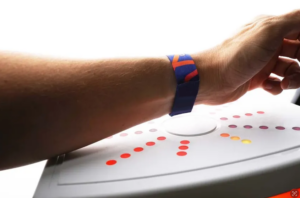
RFID Tracking
RFID technology has advanced beyond lead retrieval and now provides the opportunity for real-time attendee tracking allowing for more accurate session counts, VIP access with less interference, and even custom-messaging or visual greetings when entering specific event areas. These insights help organizers better understand attendee behavior and flow, enabling smarter space planning, and more personalized experiences throughout the event.
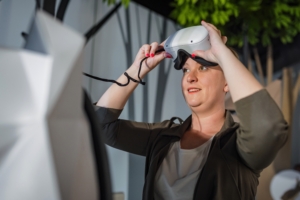
Virtual Reality – VR
Virtual reality has become more accessible and advanced, making it an easy way to spark human connection at live events. Trade show booths can transport attendees into an immersive brand story, a VR escape room can promote teamwork without the build out of a space, and VR can create a shared experience for attendees in a general session or networking reception. When used thoughtfully, it enhances, not replaces, the real-life interactions that make events so impactful.
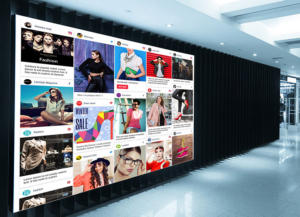
Social Boards
Social media has become a powerful engagement tool at live events, with platforms like Walls.io pulling attendee posts, photos, and videos into dynamic real-time displays. These interactive walls spark energy, encourage sharing, and extend the event’s reach beyond the venue while giving organizers insight into what resonates most. Overall, they add personality, spontaneity, and a modern layer of connection to any event experience.

AI Notetaking
Interactive note-taking tools can significantly enhance how attendees connect with the content. Participants can follow along on their phone or tablet, capture key points, and view live captioning in the language that works best for them. After reviewing for accuracy, post a recap with key takeaways. By turning passive listening into active participation, these tools deepen understanding, improve retention, and make sessions more inclusive for diverse audiences.
The most impactful event technology of 2026 shares one defining trait: it’s in service of people. RFID, VR, social boards, and AI-powered tools aren’t replacing face-to-face connections they’re enhancing it by making events more intuitive, inclusive, and responsive.