The main steps to planning a successful corporate event include defining your goals, establishing a budget, choosing the right venue, designing the attendee experience, coordinating production and logistics, promoting the event, and preparing for event day. Starting with a clear strategy helps ensure every part of the event works toward the same goals.
Planning a corporate event involves much more than choosing a venue and building an agenda. From early strategy and budgeting to creative decisions, production, and onsite execution, each decision affects the overall attendee experience.
Whether you’re planning an annual conference, leadership meeting, awards program, product launch, or another corporate event, following a clear planning process can help your team stay organized and make better decisions along the way.
In this article, you’ll learn:
- What Are the Main Steps to Planning a Corporate Event?
- How Far in Advance Should You Start Planning a Corporate Event?
- What Should Be Included in a Corporate Event Plan?
- When Should You Hire an Event Production Company?
What Are the Main Steps to Planning a Corporate Event?
While every event is different, most successful corporate events follow several key planning stages.
Step 1: Define Your Event Goals and Strategy
Before making decisions about venues, production, speakers, or entertainment, start by defining what you want the event to accomplish.
Consider questions such as:
- Who is the event for?
- What should attendees learn, feel, or do?
- What are the organization’s goals for the event?
- What story or message should connect the experience?
- How will you determine whether the event was successful?
A leadership meeting designed to align employees around a new strategy will require a different approach than a customer conference focused on networking and brand engagement.
Establishing these goals early gives your team a framework for making decisions throughout the rest of the planning process. Strategic event consulting can also help teams clarify their goals, shape their event narrative, and identify opportunities to connect with attendees.
Step 2: Establish Your Budget
Once you know what you want to accomplish, determine the resources available to make it happen.
A corporate event budget may include:
- Venue and meeting space
- Audiovisual equipment and production
- Staging, lighting, and scenic design
- Keynote speakers and entertainment
- Food and beverage
- Travel and accommodations
- Event technology
- Marketing and communications
- Staffing and onsite support
Building a realistic budget early helps you identify where your investment can have the greatest impact. Continue tracking the budget as plans evolve, especially when changes to programming, production, or creative concepts affect the original scope.
Step 3: Choose the Right Venue and Date
Your venue affects nearly every part of your event, from attendance and travel to production capabilities and overall atmosphere.
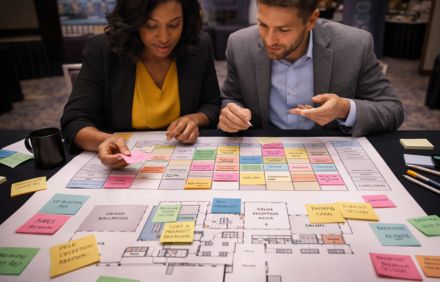
When evaluating venues, consider more than capacity. Room layouts, audiovisual capabilities, load-in requirements, power and rigging needs, internet access, accommodations, transportation, and vendor restrictions can all affect your plans and budget.
The space should also support how you want attendees to experience the event. Before signing a venue or AV contract, understand what is included, what will need to be brought in separately, and any restrictions that could affect your plans.
Step 4: Design the Attendee Experience
Once the foundation is in place, think about how attendees will experience the event from beginning to end.
This may include:
- Event branding and creative design
- General sessions and breakouts
- Keynote speakers and entertainment
- Networking opportunities
- Sponsor activations
- Video and multimedia content
- Attendee engagement
Rather than treating each as a separate piece, consider how they work together to tell a consistent story.
Your event’s visual identity can play an important role in creating that connection. Event branding and design can extend from stage and scenic design to show graphics, signage, digital materials, and environmental branding throughout the venue.
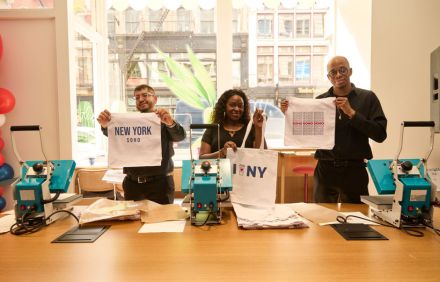
For events centered around a product, campaign, or brand, interactive experiences and activations can also give attendees opportunities to engage with your message rather than simply hear it.
Step 5: Plan Event Production and Logistics
Next, turn your strategy and creative vision into a detailed production plan.
Depending on the event, this may involve audiovisual production, staging and lighting, room layouts, speaker coordination, rehearsals, show graphics, vendor management, staffing, and technical planning.
A detailed run of show is especially important. For complex programs, production teams may also develop cue sheets that account for individual transitions, graphics, lighting, music, speaker entrances, videos, and other moments that need to happen in sequence.
Event management and production can help connect these moving pieces, from pre-production timelines and technical planning through rehearsals, show calling, backstage management, and onsite execution.
Step 6: Promote the Event and Prepare Attendees
For events that require registration or attendance-building, promotion should happen alongside the broader planning process.
Your communication strategy may include invitations, email campaigns, registration reminders, event websites, social content, and internal communications.
As the event gets closer, make sure attendees have easy access to schedules, travel information, locations, dress codes, and other important details. Pre-event communications can also introduce your event’s story and visual identity, building excitement before attendees arrive.
Step 7: Prepare for Event Day
In the final weeks, the focus shifts from planning individual pieces to making sure everything works together.
Final preparation may include:
- Confirming vendors and schedules
- Finalizing the run of show
- Reviewing presentations and video content
- Conducting technical rehearsals
- Confirming speaker and talent logistics
- Reviewing staffing responsibilities
- Developing contingency plans
It’s also important to establish clear roles and approval paths for event day. Even with careful planning, live events can change quickly. Knowing who can make decisions and having backup plans in place can help your team respond without disrupting the attendee experience.
Step 8: Evaluate the Event
Event planning doesn’t necessarily end when attendees leave.
Review attendee feedback, attendance and engagement data, budget performance, and any other metrics tied to the goals you established at the beginning.
Debrief with your internal team and event partners while the experience is still fresh. Documenting what worked and where there is room for improvement gives you a stronger starting point for your next event.
How Far in Advance Should You Start Planning a Corporate Event?
The ideal planning timeline depends on the size and complexity of the event.
Large conferences, multi-day meetings, and events requiring extensive production often benefit from beginning planning several months or even a year in advance. Smaller meetings may require less lead time.
Starting early gives your team more flexibility when selecting venues, securing speakers and vendors, developing creative concepts, and managing the budget. However, experienced event teams can also help organizations navigate shorter timelines when necessary.
What Should Be Included in a Corporate Event Plan?
A corporate event plan should bring the major components of your event into one place. Depending on the event, that may include your budget, timeline, venue information, creative direction, production requirements, vendor responsibilities, attendee communications, speaker logistics, staffing plans, contingency plans, and run of show.
The goal is to make sure everyone involved understands what needs to happen, when decisions need to be made, and how their responsibilities connect.
When Should You Hire an Event Production Company?
Outside support becomes especially valuable as an event grows in size or complexity. Consider working with an event production company when your event requires extensive audiovisual production, custom staging or creative, multiple vendors, complex programming, or more onsite support than your internal team can reasonably provide.
You also don’t have to outsource the entire event. An experienced partner can support specific parts of the process, from initial strategy and venue evaluation to creative development, production planning, or full event execution.
Conclusion: Planning a Successful Corporate Event
Successful corporate events start with clear goals and a planning process that connects strategy, budget, creative, production, and logistics.
By establishing your objectives first and building each decision around the attendee experience, you can create an event that runs smoothly while supporting the larger goals of your organization.
LAI Live works with organizations at every stage of the planning process, from event consulting and strategy through creative development, production, and onsite execution. Whether you need support with one part of your event or an experienced team to manage the entire process, we can help bring the pieces together.